Makerere University · CoCIS

Building responsible AI solutions for healthcare in Africa.

Makerere AI Health Lab develops AI-powered tools, datasets, and research partnerships that support diagnosis, disease surveillance, and health systems strengthening in low-resource settings.

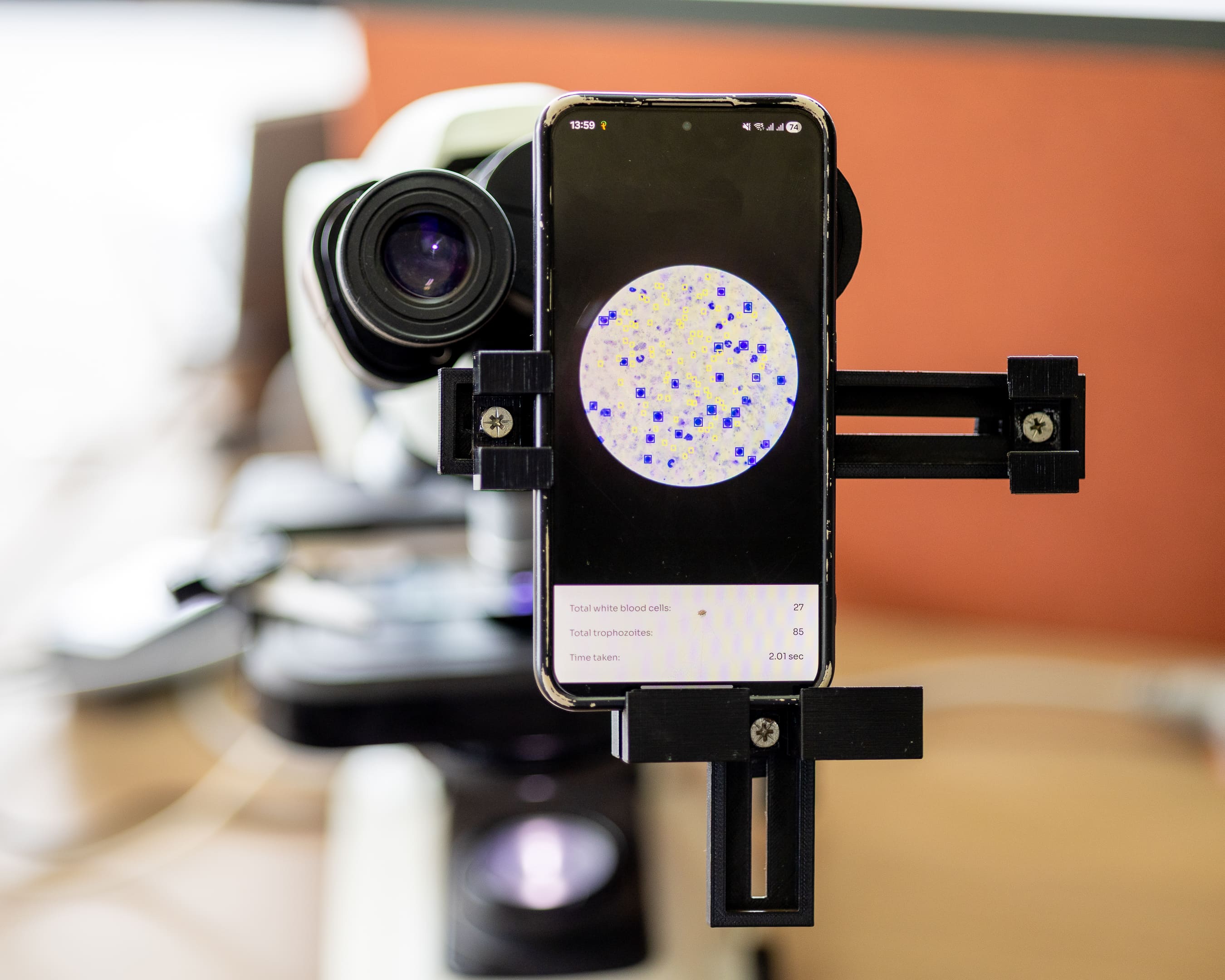
A smartphone mounted to a microscope with the Lab's 3D-printed Ocular adapter, its screen showing a blood smear with detected malaria parasites outlined and a count of white blood cells and trophozoites
The Ocular adapter turns a standard microscope and a smartphone into an automated malaria screening tool.

The Lab at a glance

6

Research projects

Diagnostics, maternal health, surveillance and environmental health

3

Dataset initiatives

Open, locally-curated health data for African contexts

22

Researchers & staff

Scientists, engineers, clinicians, laboratory and field team

2

Countries in data collection

Blood smear datasets curated across Uganda and Ghana

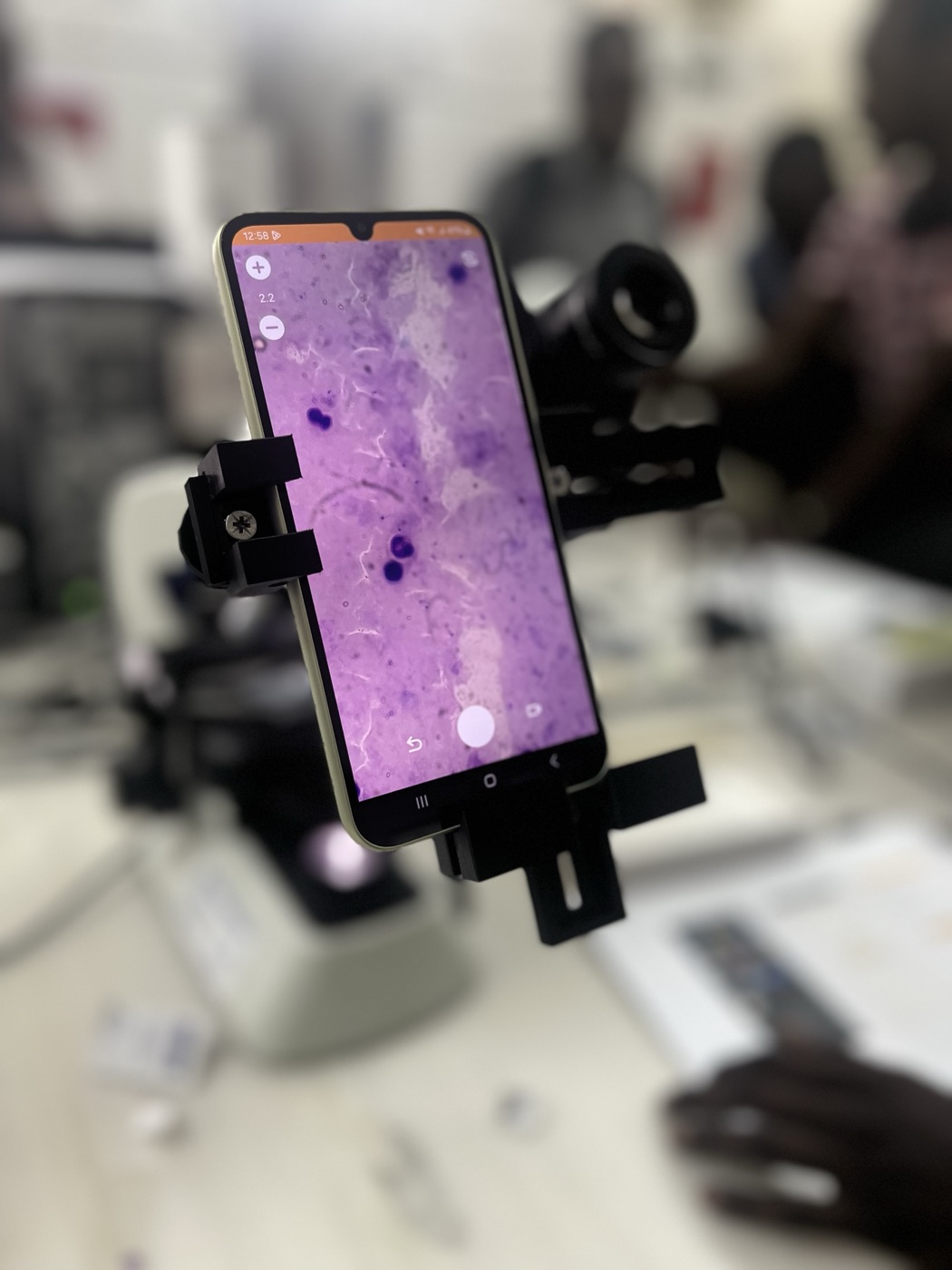
A smartphone held in the Lab's 3D-printed adapter on a microscope, its screen showing a magnified, stained blood smear, while laboratory staff work in the background
Who we are

An African research lab building AI that clinicians can trust.

The Makerere AI Health Lab sits within the College of Computing and Information Sciences at Makerere University. We work at the point where machine learning meets frontline healthcare — building diagnostic tools, curating the datasets those tools depend on, and validating both in the health facilities where they will actually be used.

Our work is grounded in the realities of low-resource settings: limited specialist availability, intermittent connectivity, and equipment that has to work in a district health centre, not only in a teaching hospital.

More about the Lab
Research & Projects

What we are working on

From malaria microscopy to maternal health screening, our projects pair machine learning with the clinical and laboratory workflows they have to fit into.

The Ocular Project

Ocular's 3D printable adapter connects smartphones to microscopes, allowing for easy image capture and alignment in health centers. This technology enhances pathogen identification for diseases like malaria and tuberculosis, supported by a mobile and web application for diagnostic assistance.


Malaria & Tuberculosis

Automated Mobile Microscopy for Malaria Diagnosis and Surveillance in Uganda

We are developing a rapid, low-cost screening system for malaria diagnosis using a 3D printed smartphone adapter for microscopes and deep learning models, aimed at enhancing real-time diagnostics and surveillance in Uganda to improve public health outcomes.

Malaria

Datasets for AI-Based Diagnosis of Malaria

Dataset

The Lacuna Fund project aims to enhance malaria microscopy diagnosis in low and middle-income settings by generating high-quality, open-labeled blood smear datasets from Uganda and Ghana, using smartphone-mounted microscopes to support machine learning models for detection.

Malaria

Curating a Dataset of Digital Pap Smear Images for Automated Cervical Cancer Screening in Uganda

Dataset

This project aims to enhance cervical cancer detection in Sub-Saharan Africa by curating a labeled digital dataset of 1,000 Pap smear images using a smartphone-mounted microscope, supporting machine learning tasks for early and reliable screening.

Cervical cancer

A Machine Learning-aided Platform for Point-of-Care Pregnancy Risk Assessment from 2D Ultrasound

We propose an AI-powered ultrasound screening tool to detect high-risk pregnancies early, aiming to reduce maternal mortality in Uganda and similar settings. The solution will integrate clinical, demographic, and imaging data to support timely and accurate diagnosis at the primary healthcare level.

Maternal health

Datasets for Artificial Intelligence-Based Solutions in Predicting Land Use/Cover Changes in Uganda

Dataset

This project aims to support natural resource management in Uganda by using AI to analyze satellite and forestry inventory data for predicting land cover changes and improving decision-making in response to deforestation and climate change.

Environmental & planetary health
Focus areas

Where we concentrate our research

Diagnostics & medical imaging

Automated microscopy and image analysis for malaria, tuberculosis and cervical cancer screening.

Maternal & child health

Point-of-care risk assessment from 2D ultrasound to identify high-risk pregnancies earlier.

Health datasets

Curating open, labelled, locally-owned datasets so African health data trains African models.

Responsible AI

Privacy, dataset governance, bias and fairness, and human-in-the-loop clinical decision-making.

Surveillance & population health

Using diagnostic data to support real-time disease surveillance and public health response.

Health systems strengthening

Designing tools around existing clinical workflows, staffing realities and infrastructure.

Datasets

Locally-owned data for African health AI

Models are only as good as the data behind them. A significant part of our work is curating high-quality, labelled, openly-licensed health datasets from African clinical settings.

View dataset projects
  • Datasets for AI-Based Diagnosis of Malaria Malaria · Lacuna Fund
  • Curating a Dataset of Digital Pap Smear Images for Automated Cervical Cancer Screening in Uganda Cervical cancer
  • Datasets for Artificial Intelligence-Based Solutions in Predicting Land Use/Cover Changes in Uganda Environmental & planetary health
Our people

The team behind the work

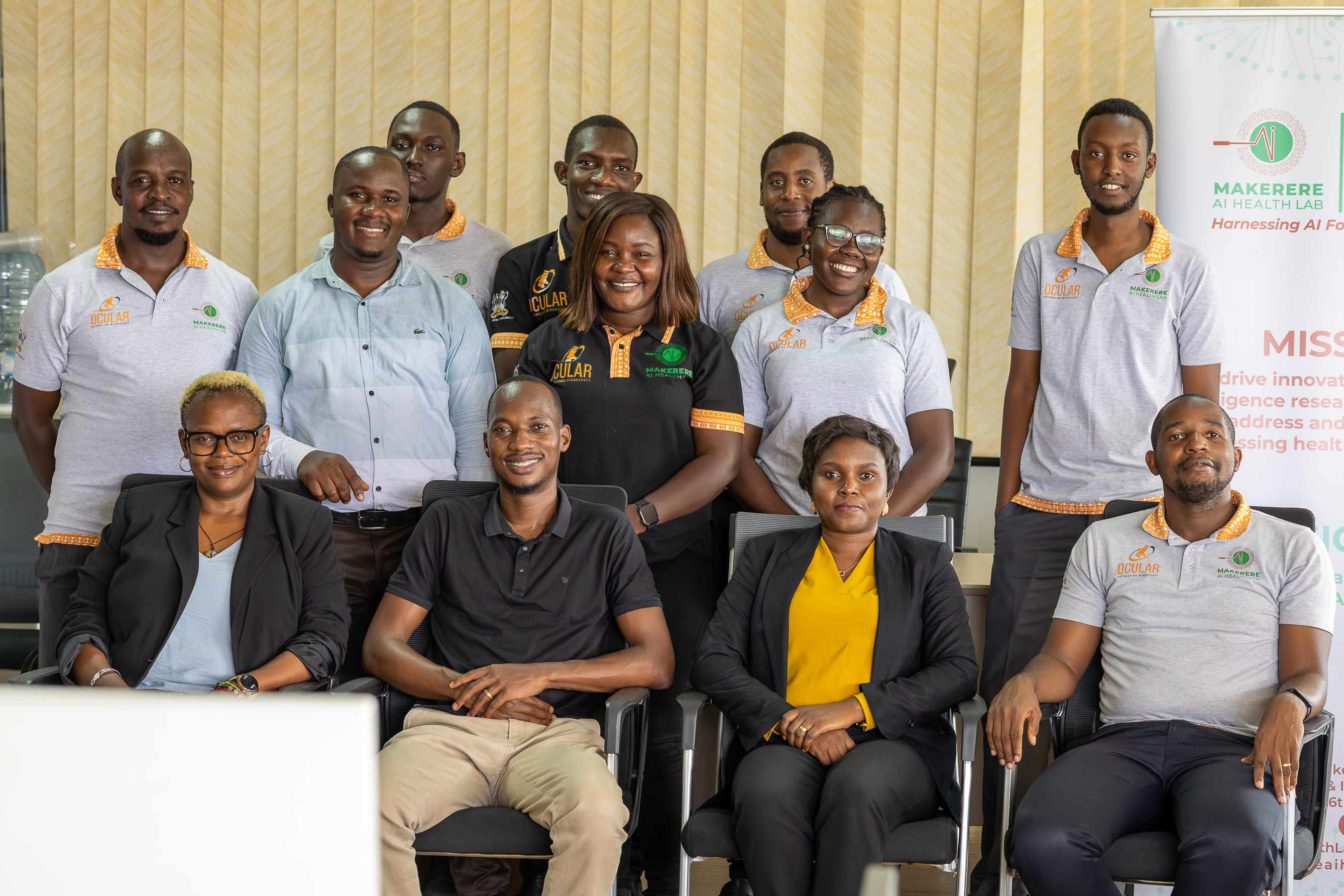
Computer scientists, engineers, clinicians, laboratory technicians and students working together across research, development and deployment.

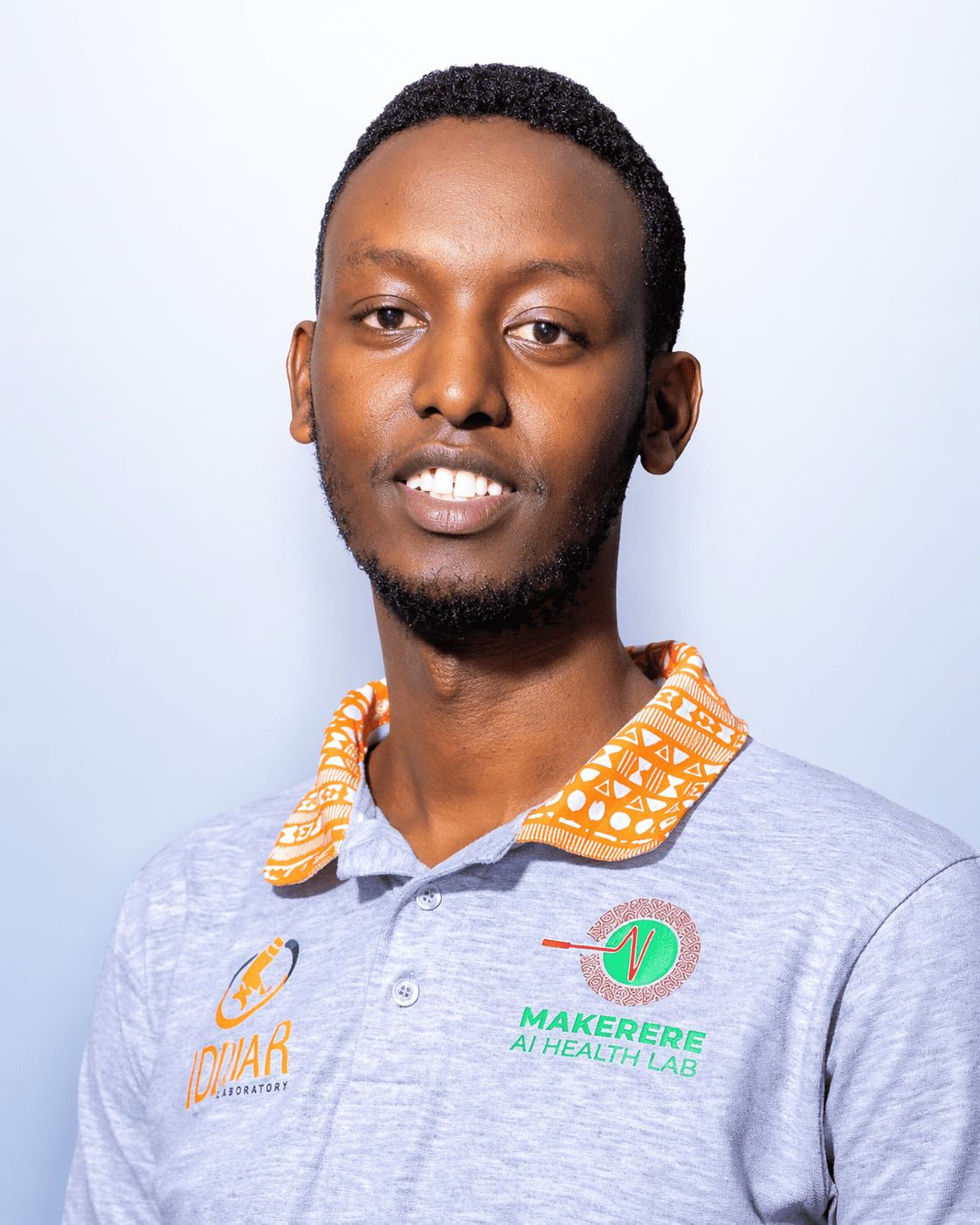
Portrait of Nsumba Solomon

Nsumba Solomon

Research Scientist, Machine Learning & Computer Vision

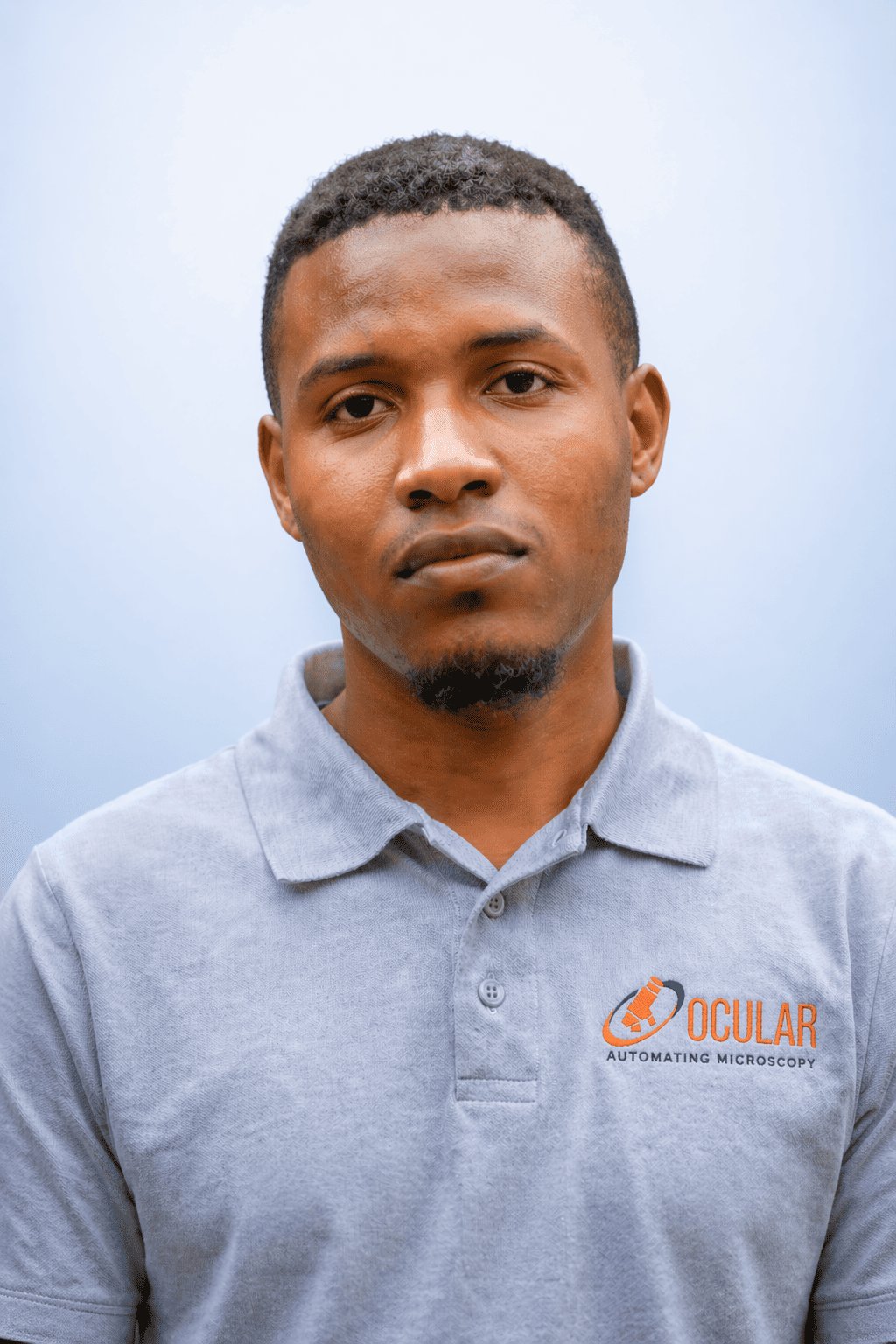
Portrait of Mutebi Chodrine

Mutebi Chodrine

Software Engineer - Backend & Mobile App Developer

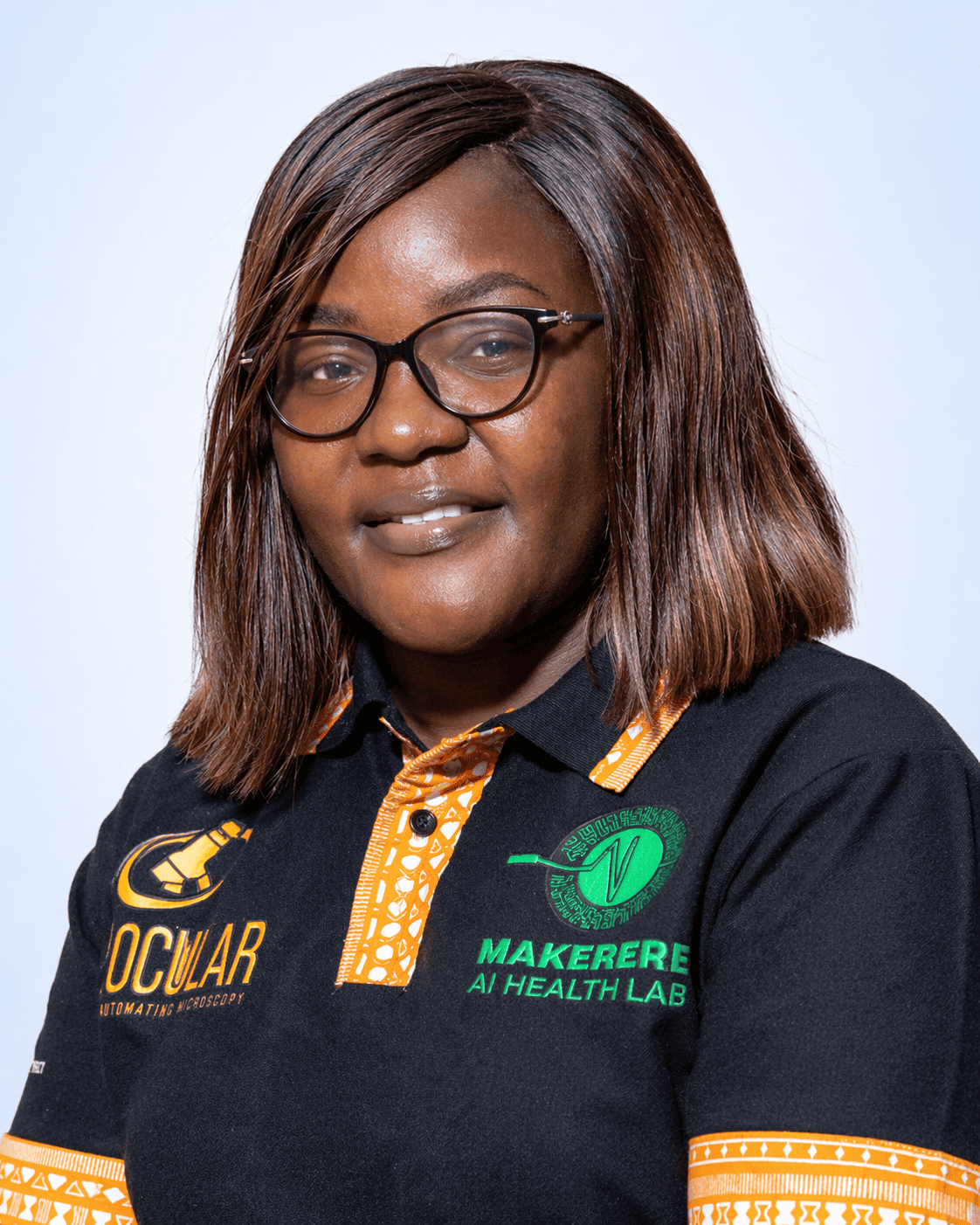
Portrait of Tusubira Jeremy Francis

Tusubira Jeremy Francis

Research Scientist, Machine Learning & Data Engieering

Portrait of Kasumba Steven

Kasumba Steven

Software Developer - UI/UX & AI Specialist

Supported by

Our funders

  • Google
  • NIH
  • DS-I Africa
Collaborators

Partners and collaborating institutions

  • Makerere University
  • College of Computing and Information Sciences
  • Lacuna Fund
  • Uganda Cancer Institute
  • Makerere University Endowment Fund

Partner with the Lab

We collaborate with universities, hospitals, ministries, funders and technology partners on research, dataset development, clinical validation and deployment.